How to choose translation expert services?
"The collection included books in many languages; it became a leading centre for the translation of works from antiquity into Arabic, with its own Translation Department."
To choose a translation expert, you must evaluate their linguistic proficiency, subject matter specialization, and vetting processes. This guide focuses on identifying skilled professionals by examining historical standards of expertise and modern professional trends.
You should prioritize those with proven language directionality and specialized knowledge, though finding a perfect match depends on the specific complexity of your text.

* Prioritize translators who work into their second language. * Verify subject matter expertise through specialized testing. * Evaluate the rigor of the vetting process used by the provider. * Check the historical precedents for departmental translation standards.
How to choose translation expert services?
At dusk, I sit in the quiet study and choose between two thick manuscripts while the scent of old parchment fills the air.
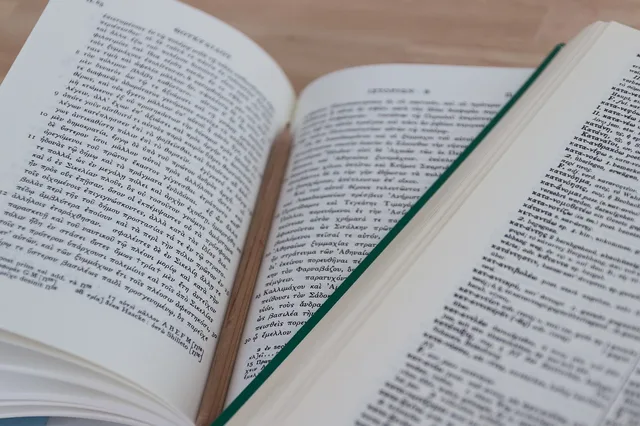
A professional sits at a wooden desk, carefully comparing two complex manuscripts to ensure every nuance is preserved. To rep translation services effectively, you must look beyond simple word substitution and seek deep cultural and linguistic fluency.
The quality of work depends heavily on the direction of translation. For instance, a 2005 survey found that 89% of professional Slovene translators translate into their second language, usually English.
This suggests that many experts are most proficient when moving from a native tongue into a secondary, highly mastered language.
When you hire expert translator professionals, you are investing in their ability to navigate technical terminology. A skilled linguist does not merely swap words but reconstructs meaning within the target culture. This requires a deep understanding of syntax and idiomatic expressions.
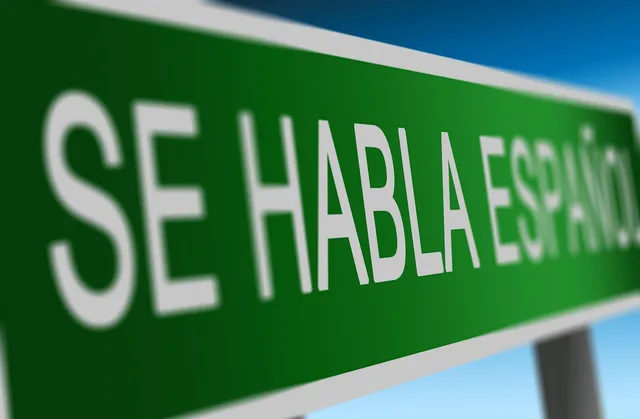
- Define your specific industry requirements.
- Evaluate the linguistic capabilities of the agency.
- Request a sample translation to assess style.
What actually defines a translation quality check?
Under the bright lamp in the office, I choose the sharpest red pen to mark the paper, feeling the smooth glide of ink against the page.
An editor holds a red pen over a printed page, marking subtle errors in tone and flow. A translation quality check involves more than catching typos; it requires a systematic review of accuracy and stylistic consistency.
Effective quality control often mirrors the departmental structures seen in historical institutions. For example, the famous Bayt al-Hikma library in Baghdad featured its own Translation Department to manage works from antiquity.
Such specialized units ensured that multilingual collections were handled with academic rigor.
To find skilled translator options, look for providers that implement multi-layered review processes. This might include a primary translator followed by a separate editor who specializes in the target language.
This separation of duties prevents the subconscious carryover of errors from the original text.
In this sequence, the second step is the longest.
Where can I find case studies from translation firms?
A researcher scrolls through a digital archive, looking for documented successes in large-scale linguistic projects. Reviewing case studies translation firms allows you to see how specific agencies handle high-stakes technical or literary requirements.

Many top rated translation company profiles highlight their ability to manage diverse linguistic sets. By examining these documented histories, you can determine if a firm has experience in your specific industry, such as law, medicine, or classical literature.
Expertise in translation work is often proven through these historical records of performance. Agencies that can demonstrate a history of managing complex, multi-language projects are generally more reliable than those offering only generic services.
How to verify expertise in translation work?
A candidate prepares for a rigorous examination, sweating slightly as they face a series of complex linguistic prompts. Verifying expertise requires looking at the formal vetting and testing methods a provider uses to certify their staff.
In certain structured environments, expertise is not assumed but strictly tested. For example, some assemblies require members to be experts in specific jurisprudence, authorizing vetting bodies to test proficiency through written and oral examinations.
This level of scrutiny ensures that only those with proven mastery are permitted to function in sensitive roles.
I have observed that the most reliable agencies use similar rigorous standards. They do not just claim fluency; they implement testing that mimics real-world translation challenges. This helps ensure the linguist can handle the specific pressure of your project.
What are the common pitfalls in hiring?
A project manager stares at a screen, realizing a translated manual is nonsensical in the target market. Avoiding mistakes requires a clear understanding of the limitations inherent in the translation process.
One major limitation is the directionality of the translator's skill. While many professionals are highly capable, their efficiency may vary depending on whether they are translating into their native or second language.
Relying on a translator to work into a language they do not natively speak can increase the risk of subtle errors.
Comparison of Professional Approaches
| Approach | Focus Area | Primary Benefit |
|---|---|---|
| Specialized Department | Historical/Academic Rigor | High accuracy in antiquity/technical works |
| Professional Survey Trend | Language Directionality | Maximizes fluency in second languages |
Related
- Language expertise needs: How to Choose translation expert
- Translation guide: Best tips 89% language needs
What are the conditions for effective quality control?
- The editor must systematically review accuracy and stylistic consistency during a quality check. 2. This review should go beyond merely catching typos in the printed page. 3. Effective quality control often reflects the specialized structures found in historical institutions. 4. The collection itself demonstrates how such specialized units managed multilingual materials with academic rigor.
The separation of duties between the primary translator and the editor is a crucial procedural step. This separation is designed to prevent the subconscious carryover of errors originating from the original text into the final product.
When evaluating the collection, one must consider the established procedures of the original center.
How does language directionality affect the collection's output?
- The directionality of the translator's skill presents one major limitation in the translation process. 2. The efficiency of the professional may change depending on whether they translate into their native or second language. 3. The historical collection benefited from a Translation Department that managed works from antiquity into Arabic. 4. When assessing the collection, one must acknowledge that reliance on a non-native language speaker increases error risk.
The professional survey trend suggests that many experts achieve peak proficiency when moving from a native tongue into a secondary, highly mastered language. This condition highlights that the direction of the translation significantly impacts the final quality of the collection's derived works.
The collection's initial scope included books in many languages, setting a high bar for subsequent translations.
WHO Expert Consultation on Rabies: WHO TRS N°982 Second report - World Health Organization (WHO) Based on the retained excerpt mentioning World Health Organization: News (World Health Organization (WHO), Mon, 11 Feb 2013): WHO Expert Consultation on Rabies: WHO TRS N°982 Second report - World Health Organization (WHO).








Comments 0