7 Steps to Quality Care: Due Diligence in Medicine
"Health is not merely the absence of disease, but the presence of a partner who understands your specific needs."
Selecting a medical professional is one of the most consequential decisions a person can make. In an era of complex diagnostic tools and specialized treatments, knowing how to navigate the healthcare landscape is essential for both quality of care and financial stability.
Key Takeaways * Understanding the specific scope of practice for different medical roles prevents unnecessary costs and delays. * Effective selection relies on verifying accreditation and clinical alignment rather than following marketing hype.
* Thorough preparation of medical history and questions is vital to maximizing the value of a consultation. * Systemic differences in healthcare funding and insurance coverage directly impact how you access and pay for care.
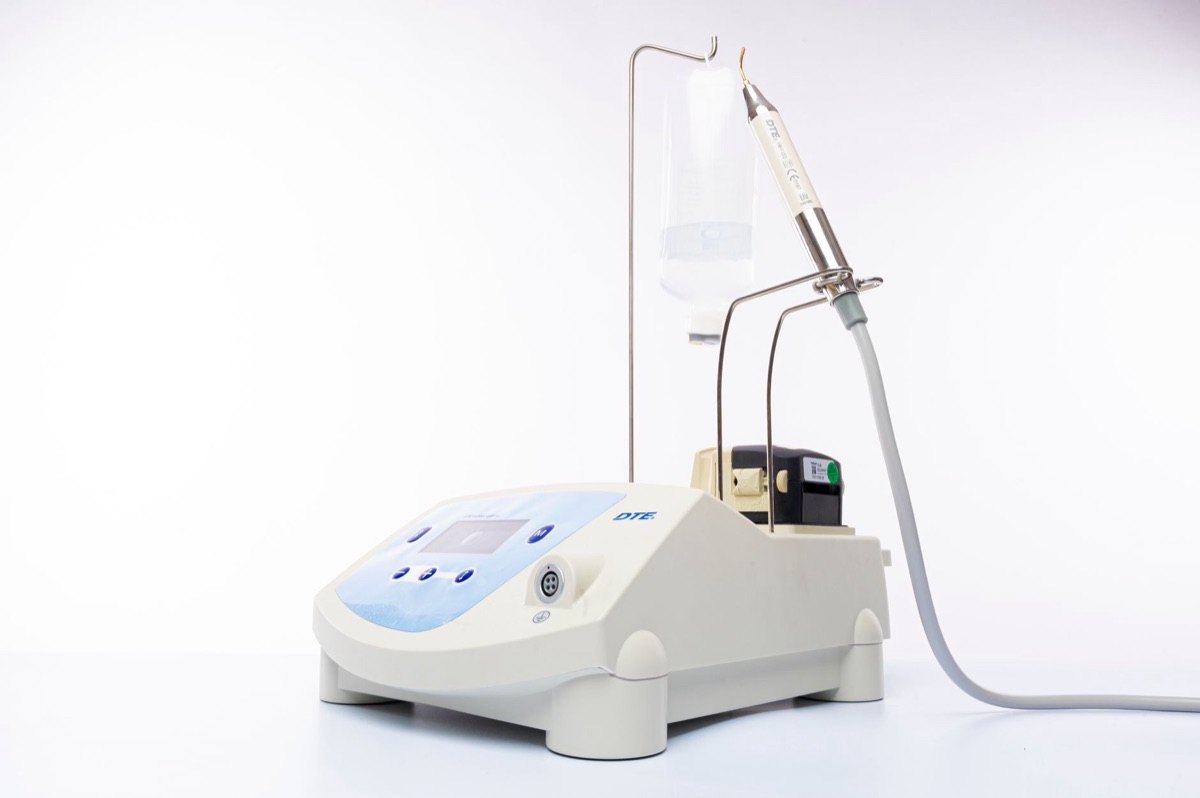
What is the Role of Each Medical Specialty?
At 8:30 AM on a Tuesday, a patient sits in a quiet waiting room, clutching a folder of test results, wondering if they should be seeing a general practitioner or a specialist. The air in the clinic is cool, and the hum of the air conditioner underscores the weight of the decision.
According to the National Association of Free Clinics, its member clinics provide $3 billion in services to some 3.5 million patients annually.
This moment of uncertainty is common when the boundaries of medical roles are not clearly understood.
According to the World Health Organization, there is a global shortage of almost 4.3 million doctors, midwives, nurses, and support workers needed to meet essential primary health care targets.
The medical field is divided into layers of expertise designed to filter care efficiently. Primary care providers, such as family doctors or internists, serve as the first line of defense. They manage general health, preventative screenings, and chronic condition management.
Specialists, such as cardiologists or neurologists, possess deeper knowledge in specific organ systems or disease types but typically require a referral or a specific clinical trigger to enter the workflow.
Mapping your health journey requires knowing when to move between these layers. A primary care provider handles the broad overview, while a specialist handles the granular details of a specific problem.
If you have a persistent cough, you start with primary care; if that cough leads to a lung scan showing a mass, you move to a pulmonologist. Misunderstanding these roles can lead to "specialist shopping," which often results in fragmented care and redundant testing.

Criteria for Selecting a Top-Tier Healthcare Provider
Walking through the sliding glass doors of a large medical center in the middle of a busy afternoon, a visitor might feel overwhelmed by the sheer number of names and signs. The smell of antiseptic is sharp, and the crowded lobby makes the task of finding the right office feel nearly impossible.
As noted by the Canadian Medical Association, an estimated 75 percent of Canadian healthcare services are delivered privately, but funded publicly.
It is easy to assume that the largest building or the most expensive office represents the highest quality of care.
The National Association of Free Clinics claims that its member clinics provide $3 billion in services to some 3.5 million patients annually.
Beyond the paperwork, you should evaluate the provider’s clinical philosophy. Do they prioritize conservative management, or are they heavily focused on surgical intervention? Ensuring their approach aligns with your personal health goals is critical for long-term satisfaction.
A due diligence checklist should include verifying that the provider is in good standing with state medical boards and checking if the facility has a history of quality issues. Do not let a polished website distract you from verifying clinical outcomes and professional standing.
| Selection Factor | What to Look For | Why It Matters |
|---|---|---|
| Accreditation | Board certification and facility licensing | Ensures baseline safety and competency |
| Clinical Philosophy | Alignment with your treatment goals | Prevents friction in the patient-provider relationship |
| Communication Style | Ability to explain complex terms simply | Reduces risk of misunderstanding treatment plans |
| Operational Reliability | Ease of scheduling and record access | Ensures continuity of care |
Understanding the Financial and Structural Context of Care
A person stares at a medical bill on their kitchen table at 9:00 PM, trying to reconcile the cost of a single visit with their monthly budget. The lamp light flickers slightly, casting long shadows over the paper, making the numbers seem even more daunting.
A study by the Kaiser Commission on Medicaid and the Uninsured estimated that 59 percent of uninsured adults have been uninsured for at least two years.
This tension is often a result of the complex systemic structures that govern how healthcare is delivered and funded globally.
As noted by the Canadian Medical Association, an estimated 75 percent of Canadian healthcare services are delivered privately, but funded publicly.
The financial reality of care depends heavily on the national model in place. In different parts of the world, the balance between public and private funding shifts the responsibility of the patient.
For example, Albert Schumacher, the former president of the Canadian Medical Association, noted that an estimated 75 percent of Canadian healthcare services are delivered privately but are funded publicly.
In contrast, the United States relies heavily on a mix of private insurance and public programs, creating a different set of cost-management needs.
These systemic differences directly impact accessibility. In some regions, the barrier is the availability of providers, while in others, it is the cost of coverage.
For instance, a study by the Kaiser Commission on Medicaid and the Uninsured estimated that 59 percent of uninsured adults had been uninsured for at least two years. Such statistics highlight how much the "system" dictates who can receive care and how much they must pay.
In areas where coverage is limited, the scale of need is often met by community-based solutions.
The National Association of Free Clinics claims that its member clinics provide $3 billion in services to some 3.5 million patients annually, illustrating the massive gap between systemic coverage and actual patient needs.

Preparing for Your Consultation: Maximizing Efficiency
A patient enters an exam room, realizes they forgot their list of medications, and feels a wave of anxiety. The sterile white walls and the sudden silence of the room make the realization hit harder. This preventable moment of stress can lead to incomplete diagnoses and wasted time.
To maximize the effectiveness of a consultation, you must perform a pre-visit audit. This involves compiling all recent lab results, imaging reports (like X-rays or MRIs), and a comprehensive list of current medications and supplements.
Do not rely on the provider to have your records from a different health system; bring them physically or ensure they have been digitally transferred beforehand.
Developing a structured list of questions is the next step. Do not just ask "What is wrong?"; ask about the diagnosis, the proposed treatment, the potential side effects, and the alternatives. After the visit, perform a post-visit review.
Before leaving the office, clarify the follow-up protocol: Do you need a specialist referral? When should you expect test results? What symptoms should trigger an immediate call back?
- Gather Documentation: Collect all recent test results and imaging.
- List Symptoms: Write down the onset, duration, and severity of your issues.
- Medication Audit: List all current drugs, dosages, and frequencies.
- Prepare Questions: Write down at least three specific questions regarding your care plan.
- Confirm Next Steps: Clarify follow-up appointments and required actions.
Navigating Regional and Institutional Variations
Driving through a rural county at dusk, a resident notices there are no large hospitals, only small clinics. The road is dark, and the vast distance between towns makes the lack of facilities feel much more significant.
This geographic reality dictates the type of expertise available and the level of care one can expect to receive locally.
Location and the type of institution significantly affect availability and regulatory oversight. A large academic hospital typically offers access to cutting-edge research and highly specialized sub-specialists, but may involve longer wait times and more complex administrative processes.
In contrast, a private practice or a local clinic offers more personalized, consistent relationships but may have limited access to advanced diagnostic equipment.
Understanding local accreditation bodies is vital. Different regions may have different standards for what constitutes a "specialty clinic" versus a "surgical center." Always verify that the facility is licensed to perform the specific procedures they are advertising.
When I was looking for a specialist in a different city last year, I realized how much the local hospital's reputation changed my own level of anxiety during the appointment. It wasn't just about the doctor, but the environment they worked in.
It is important to note that while following these steps is beneficial, they do not guarantee a specific health outcome. High-quality preparation can improve communication, but it cannot replace the clinical judgment of a professional or the biological realities of a disease.
#
FAQ
의료 전문가를 선택할 때 가장 중요한 것은 무엇인가요?
일차 진료 제공자와 전문의의 역할 차이는 무엇인가요?
의료 서비스 이용 시 환자가 준비해야 할 것은 무엇인가요?
Related posts

Evidence-Based Care: Your Guide to Quality Medical Treatment

70% Accuracy: How Data Drives Modern Patient Outcomes Now

8 Steps to Choosing Your Next Medical Specialist Provider

77% AI Devices: How Technology Shapes Modern Medical Choices
Popular posts

7 Key Steps to Choosing Your Next Medical Professional

7 PM Prep: How to Maximize Value During Your Medical Visit
70% Accuracy: How Data Drives Modern Patient Outcomes Now

Comments 0