70% Accuracy: How Data Drives Modern Patient Outcomes Now
"The right care begins long before you enter the exam room; it begins with the quality of your inquiry."
Finding a reliable medical professional involves moving past name recognition and moving toward measurable competence. This guide provides the framework necessary to evaluate providers based on expertise, technological integration, and clinical reliability.
Key Takeaways * Understand the specific scope of practice for different medical roles to ensure you are seeing the right expert. * Match provider specialization and institutional accreditation against your specific clinical needs.
* Prepare detailed medical history logs and data to maximize the value of every consultation.

What exactly does a medical specialist do? A patient sits in a quiet waiting room, clutching a folder of lab results while wondering if they are in the right place. They see a sign for a general practitioner and another for a specialist, unsure which door leads to the answers they need.
According to the Canadian Medical Association, an estimated 75 percent of Canadian healthcare services are delivered privately, but funded publicly.
The first step in selection is recognizing that "medical professional" is a broad term covering diverse functions. Some practitioners focus on primary care and long-term wellness management, while others specialize in acute diagnosis or surgical intervention.
Understanding these boundaries prevents the mistake of seeking advanced treatment from a provider whose scope is limited to general oversight.
The way care is delivered also varies significantly depending on the regional landscape.
For instance, in certain national models, such as in Canada, Albert Schumacher, a former president of the Canadian Medical Association, noted that an estimated 75 percent of healthcare services are delivered privately but funded publicly.
This distinction between delivery and funding is a crucial concept for anyone navigating different global healthcare systems.
Knowing whether you are engaging with a private specialist or a public-sector provider helps clarify the expectations regarding cost and accessibility.
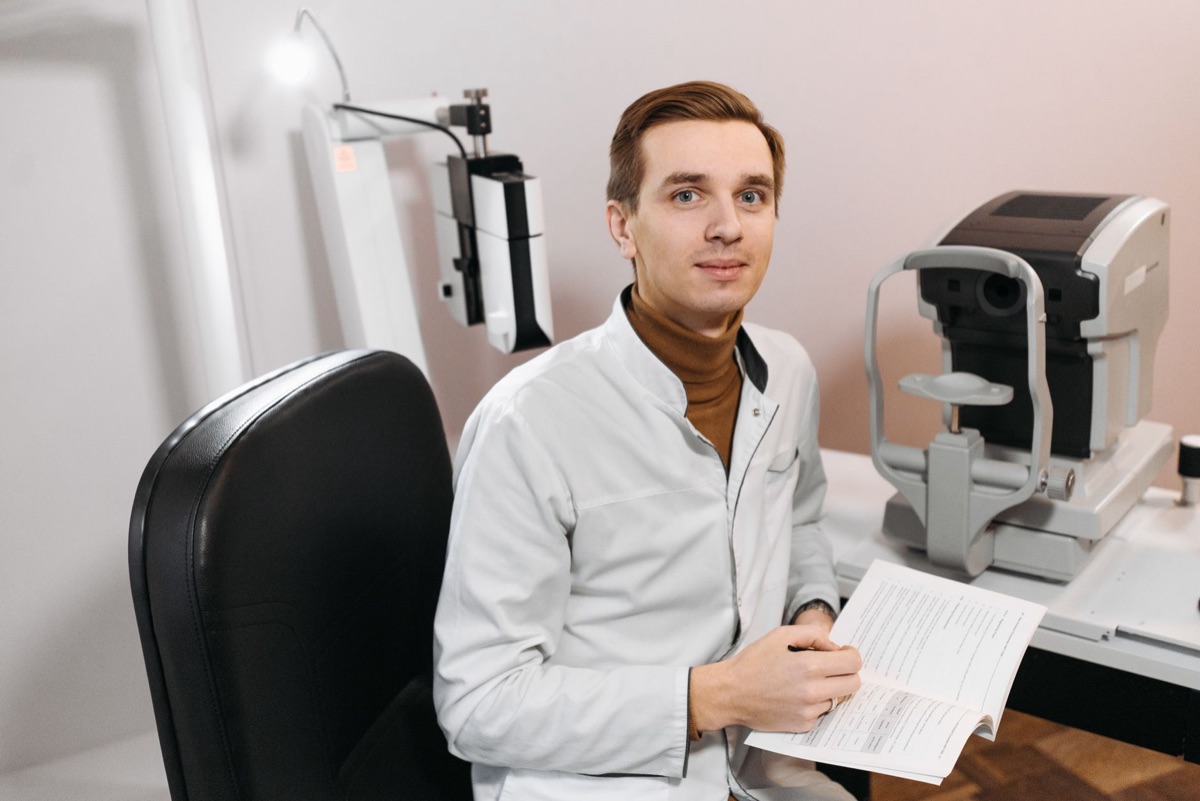
How should I choose a specialist besides reputation? A person walks into a prestigious clinic, lured by the marble floors and the famous name on the door, only to realize the doctor doesn't specialize in their specific condition. They realize too late that reputation is not a substitute for relevant expertise.
According to the Kaiser Commission on Medicaid and the Uninsured, an estimated 59 percent of uninsured adults have been uninsured for at least two years.
The Kaiser Commission estimated that 59 percent of uninsured adults have been uninsured for at least two years.
When vetting a provider, you must look past marketing and focus on specialization depth. A general surgeon is not the same as a neurosurgeon, just as a general practitioner is not a specialist in complex chronic disease management.
Your criteria should prioritize clinicians who demonstrate a concentrated focus on your specific health concerns.
Institutional accreditation is another non-negotiable benchmark. Ensure the facility where the provider practices meets recognized standards for safety and care quality. You should also look for adherence to evidence-based practice.
While clinical practice often evolves faster than textbooks, the most reliable providers base their decisions on peer-reviewed, current medical literature rather than anecdotal success.
It is important to remember that not all medical interventions are backed by the same level of evidence. Always ask how a proposed treatment aligns with current clinical guidelines.
Understanding the Investment: Costs, Qualifications, and Transparency
A patient stares at a complex billing statement, feeling overwhelmed by the mismatch between the service provided and the cost incurred. They realize they didn't ask about the fee structure before the procedure began.
Costs in the medical field are rarely uniform and can vary wildly based on the complexity of the care. While some providers offer transparent fee schedules for consultations, others may have variable costs based on diagnostic testing or procedural requirements.
Understanding the difference between a consultation fee and the cost of secondary diagnostic work is essential for financial planning.
Regarding qualifications, you should verify the provider's board certification and years of specific experience in their sub-specialty. A leading provider in a niche field will often have higher credential requirements than a generalist.
| Factor | General Practitioner | Specialist |
|---|---|---|
| Primary Focus | Preventive care & general health | Specific organ systems or conditions |
| Diagnostic Depth | Broad screening | Advanced, targeted diagnostics |
| Treatment Scope | Management of common ailments | Complex interventions & surgeries |
| Cost Structure | Typically standardized | Often variable based on complexity |
Always clarify how insurance coverage or out-of-pocket payments apply to the specific services being offered. Transparency in pricing is a sign of a professional organization.

Preparing for Your Consultation: Maximizing Appointment Value
A patient sits on the exam table, sweating slightly as they try to remember the exact date their symptoms started or the name of a medication they took three years ago. The doctor asks a question, and the patient realizes they are unprepared.
To avoid this, you must treat the consultation as a structured meeting. Preparation involves gathering a complete medical history log, including a list of current medications, dosages, and known allergies. If you have had previous imaging or blood work, bring physical or digital copies.
Modern medicine is increasingly data-driven. For example, the Centerstone research institute found that predictive modeling of Electronic Health Record (EHR) data has achieved 70–72% accuracy in predicting individualized patient outcomes.
Being able to provide clean, organized data allows your provider to utilize these advanced analytical tools more effectively.
Use this checklist to prepare: 1. Chronological Symptom Log: Write down when symptoms started, their intensity, and what triggers them. 2. Medication Inventory: Include vitamins, supplements, and over-the-counter drugs. 3.
Question List: Write down your top three concerns so you don't forget them in the heat of the moment. 4. Test Results: Organize previous reports by date.
Ask incisive questions such as, "What are the alternative diagnostic paths?" or "How will this treatment affect my long-term health?"
Navigating Modern Medical Advancements: AI and Technology
A technician looks at a digital scan where an AI-powered tool highlights a tiny shadow that the human eye might have missed. The intersection of human expertise and machine precision is changing the landscape of diagnosis.
As of 2025, the FDA has approved AI-enabled medical devices where 77% of those devices are in radiology.
Technology is rapidly integrating into clinical workflows. One of the most significant shifts is in diagnostic imaging. As of 2025, 77% (967 out of 1247) of all FDA-approved AI-enabled medical devices are in radiology.
This high concentration shows how much the field relies on automated analysis to assist human clinicians.
While these tools are powerful, they are meant to augment, not replace, the provider. Interestingly, human-AI interaction is still being studied. In one study, evaluators preferred ChatGPT's responses to physician responses in 78.6% of 585 evaluations, noting better quality and empathy.
This suggests that while technology handles the data, the human element of care remains a critical component of the patient experience.
When choosing a provider, consider their level of technological literacy. A provider who embraces modern diagnostic tools while maintaining human empathy is often best positioned to offer cutting-edge care.
FAQ
의료 전문가를 선택할 때 고려해야 할 가장 중요한 요소는 무엇인가요?
의료 서비스 이용 시 환자가 준비해야 할 것은 무엇인가요?
캐나다 의료 시스템의 특징은 무엇인가요?
Related posts

Evidence-Based Care: Your Guide to Quality Medical Treatment

8 Steps to Choosing Your Next Medical Specialist Provider

77% AI Devices: How Technology Shapes Modern Medical Choices





Comments 0