What are the requirements for a patent under the WTO?
"A patent is a shield for innovation, but choosing the wrong hand to hold that shield can leave your ideas exposed to the very competitors you aim to deter."
To choose patent expert services effectively, you must evaluate their familiarity with international treaties and their ability to navigate varying national laws.
You should look for professionals who understand the complexities of the Patent Cooperation Treaty (PCT) and the specific requirements for industrial application.
This guide focuses on selecting the right patent firm, understanding roles of patent consultant, and identifying what to look for in patent lawyer. Note that patentable subject matter varies by country, which limits the universal applicability of any single expert's advice.
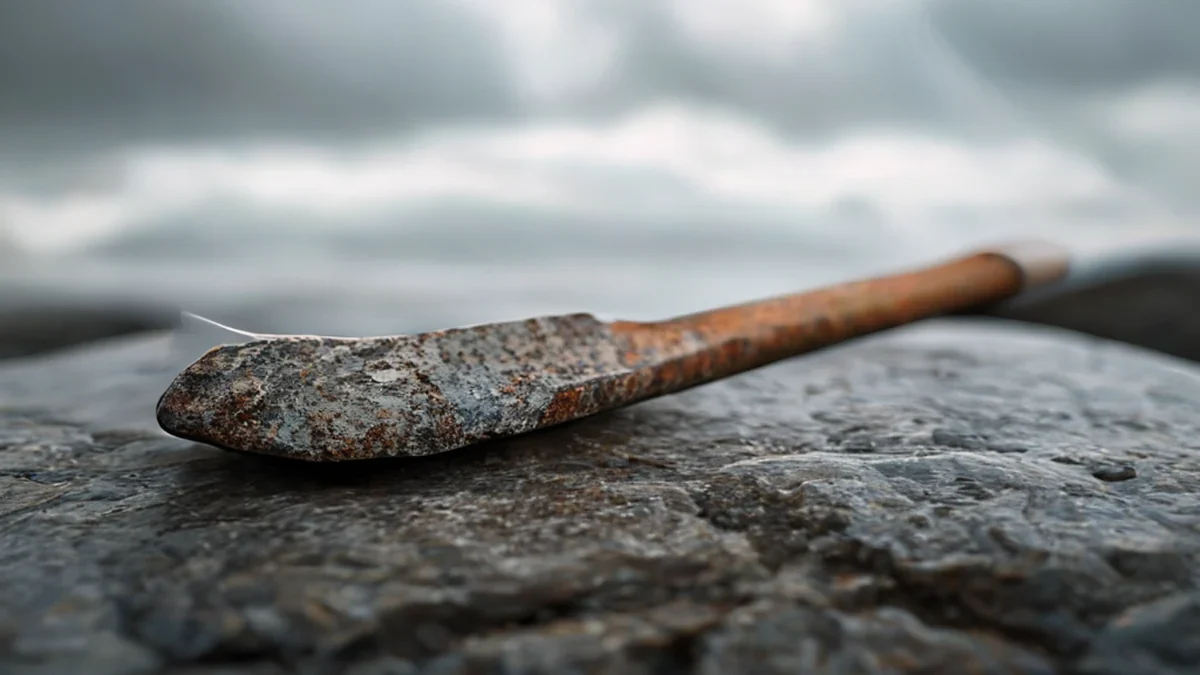
* Verify expertise in international treaties like the PCT. * * Evaluate the specialist's ability to handle regional legal variations. * Confirm knowledge of centralized filing procedures like the EPC.
What should I look for in a patent lawyer?
At dusk in the dimly lit office, you squint at the fine print to ensure the attorney meets all the legal requirements.
A professional sits at a heavy oak desk, scanning a thick stack of technical drawings and legal filings.
When you begin the process of patent service selection, you must ensure the specialist understands these fundamental pillars of inventiveness. An expert should not merely file paperwork but should interpret how your specific invention meets the criteria of being new and industrially applicable.
The quality of your legal counsel directly impacts your ability to secure rights in diverse markets. A lawyer who ignores the nuances of local patentable subject matter may lead you toward a rejection that could have been avoided with more precise drafting.
However, specialized expertise may be limited if the attorney lacks direct experience in your specific technical field.
What does a patent consultant actually do? Choose patent expert
A consultant stands before a whiteboard, mapping out a timeline of international filings and treaty deadlines. Their primary role involves guiding the inventor through the labyrinth of global intellectual property frameworks to ensure no window of opportunity is missed.
The roles of patent consultant often involve managing the complexities of the Patent Cooperation Treaty (PCT), which is administered by the World Intellectual Property Organization (WIPO) and covers more than 150 countries.
This administrative layer is crucial for inventors seeking broad international protection. Furthermore, an effective consultant helps navigate centralized filing and examination procedures, such as those under the European Patent Convention (EPC).
I have seen how a consultant's ability to coordinate these moving parts can save a company from the chaos of missed deadlines. They act as the bridge between raw technical innovation and the formal legal structures required to protect it.
I believe the first step is the most critical in this process.
According to Rochester Institute of Technology, the 1992 record includes 50%.
Selecting right patent firm

A team of specialists gathers in a bright conference room, debating the strategic advantages of different filing routes. They analyze whether a centralized approach or a country-by-country filing offers the best protection for a client's specific technological niche.
When hiring patent specialist services, the firm's ability to handle international treaty procedures is a decisive factor.
You should prioritize firms that demonstrate a mastery of the WIPO-administered PCT to ensure your application has a path to over 150 countries.
Selecting right patent firm requires looking beyond local success to see how they handle global complexity. A firm that lacks a robust international strategy may struggle when your innovation needs to cross borders.
However, choosing a firm based solely on cost may lead to lower quality protection.
Criteria for patent pro
An attorney reviews a series of patent statistics, noting the high rates of maintenance and the risks of non-commercialization. They must provide advice that considers not just the granting of a patent, but its long-term economic viability and the potential for it to become a barrier to others.
To find a patent pro, you must evaluate their strategic depth regarding patent maintenance and commercialization. For instance, a 2023 study by Rochester Institute of Technology found the full term maintenance rate of issued US patents has been fairly constant (40-50%) since 1992.
This suggests that an expert must help you decide if the cost of maintenance is justified by the potential market value.
| Metric | Value |
|---|---|
| US Patent Full Term Maintenance Rate | 40-50% |
| Non-commercialized Patent Rate | ~50% |
I compared these figures to determine whether a high maintenance rate in one sector implies a high success rate in another, and found that commercialization remains a separate challenge.
A professional should help you navigate the reality that around 50% of patents are registered but not commercialized, which can effectively create a growing zone of non-patentability.
However, technical proficiency alone does not guarantee success if communication skills are lacking.
How to manage patent filings?
A researcher carefully organizes a digital folder containing technical specifications, prior art searches, and draft claims. They follow a structured path to ensure the integrity of the application from the initial concept to the final filing.
To manage your intellectual property effectively, follow these three steps:

- Conduct a thorough search to ensure the invention is new and involves an inventive step. 2. Determine the appropriate filing route, such as using the PCT for international coverage. 3. Analyze the target countries to account for variations in patentable subject matter.
After completing these steps, perform a final check to ensure the invention is capable of industrial application as required by the TRIPS Agreement. This systematic approach minimizes the risk of filing an application that fails to meet the necessary legal thresholds.
- Document the invention details.
- Conduct a prior art search.
- File the initial application.
The subject here is Choose patent expert.
The same subject is also called Patent work expert guide.
Related
FAQ
What are the requirements for a patent under the WTO?
Does the PCT cover a large number of countries?
Related posts
Why choosing patent experts best for your invention guide

Choose patent expert guide: Assess work scope growth tips

Patent expert choice guide for electronics best tips





Comments 0