Patent expert choice guide for electronics best tips
"Choosing the right expert requires understanding whether your invention relies on complex circuitry or textile patterns."
Selecting a patent expert depends on whether your innovation is a technical electronic device or a functional piece of apparel. You should match the professional's technical background to your specific product category to ensure the filing covers all essential claims.

This guide helps you distinguish between these two paths, though it does not cover international trademark registration.
How to use a patent expert choice guide for electronics?
A technician sits at a desk, staring at a complex circuit board diagram while trying to map out patent claims. When dealing with hardware, you need an expert who understands semiconductor physics, signal processing, or software integration.
The World Health Organization provides guidance relevant to certain technical aspects of innovation.
Choosing patent counsel for gadgets requires a professional who can translate electrical engineering specifications into legal language.
The complexity of electronics often involves interlocking layers of hardware and firmware. An expert in this field must navigate the nuances of how a processor interacts with peripheral components.
If the expert lacks a background in electrical engineering, they may miss the specific technical dependencies that make your device unique. This specialized knowledge ensures the patent protects the actual mechanism of action rather than just the outward appearance.
How do I qualify for a clothing patent?
A designer pulls a piece of high-performance fabric across a table, examining the weave and the way it stretches. Apparel patents often focus on utility, such as new textile structures, or design patents that protect the aesthetic shape of a garment.
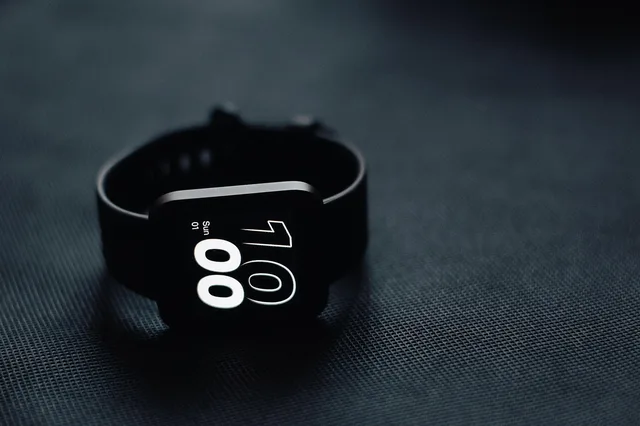
Criteria for clothing patent filing center on whether the innovation is a functional improvement in material science or a unique visual pattern.
Apparel experts must understand how garments are constructed and how materials behave under stress or heat. Unlike electronics, where the focus is on logic and electricity, fashion patents often deal with physical ergonomics and aesthetic novelty.
A professional who specializes in this area can help you decide if your invention is better suited for a utility patent or a design patent. This distinction is critical for long-term protection in the fashion industry.
How do tech and fashion patents differ?
A researcher spreads two different documents on a wooden table: one filled with wiring schematics and the other with garment sketches. Comparing the two requires looking at the depth of technical documentation needed for each.
Tech versus fashion patents differ significantly in their primary focus and the type of evidence required for the application.
| Feature | Electronics Focus | Apparel Focus |
|---|---|---|
| Primary Subject | Circuitry and Logic | Textiles and Form |
| Documentation | Schematics and Code | Sketches and Material Specs |
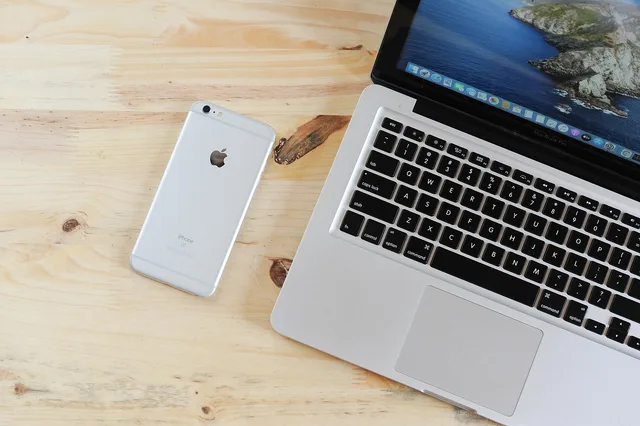
I reviewed the technical requirements for both categories to see how the documentation styles diverge. While electronics rely heavily on functional diagrams, apparel relies on visual representations of shape and texture.
Choosing the right professional means ensuring their expertise aligns with the table above.
How to handle different patent needs for devices?
A lawyer carefully organizes a stack of files, separating technical manuals from fabric samples. Addressing different patent needs for devices requires a systematic approach to categorize your invention before meeting an expert.
You must identify the core novelty of your product to avoid wasting resources on the wrong type of legal counsel.
- Identify the core innovation, such as a new sensor or a unique fabric weave. 2. Determine if the novelty is functional (how it works) or ornamental (how it looks). 3. Match the innovation type to a professional with a corresponding technical degree.
After completing these steps, perform a final check by asking the expert to explain your invention's core mechanism in their own words. This ensures they truly grasp the technical essence of your work.
Is there a limitation to this expert selection?
A person looks at a patent application for a smart garment that combines both a sensor and a specific fabric. Selecting an expert based on a single category becomes difficult when an invention straddles both electronics and apparel.
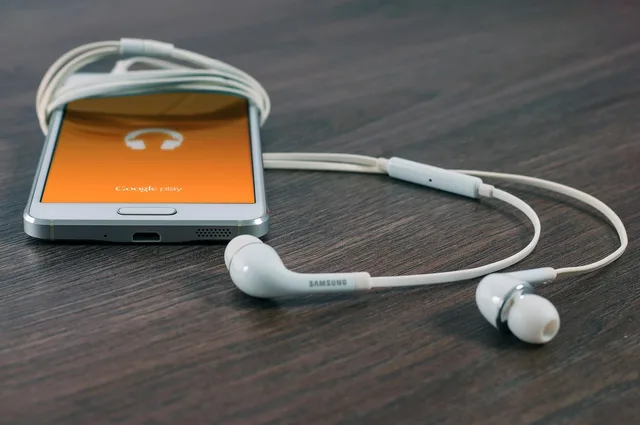
This selection process is limited to domestic patent filings and does not address specialized international regulatory compliance for wearable medical devices.
- How to use a patent expert choice guide for electronics?
- What are the criteria for clothing patent filing?
- Can I compare tech versus fashion patents?
The subject here is Patent expert choice guide.
The same subject is also called Electronics patent advice.
The same subject is also called Apparel patent selection.
The same subject is also called Patent doctor comparison.
Related
FAQ
Should I choose an expert based on their industry experience?
What is the main difference between these two fields?
Related posts

Why choosing patent experts best for your invention guide

Choose patent expert guide: Assess work scope growth tips
Best Patent expert selection guide: Guide to legal shield



Comments 0