Big vs small hospital care: Guide to choosing medical expert
"Choosing the right medical expert means understanding the scale of the facility and the depth of the specialized resources available to you."
Deciding between a large medical center and a smaller clinic requires balancing specialized access against personalized attention. This guide explores the primary differences in care delivery, resource availability, and patient interaction to help you navigate your healthcare journey.
Key takeaways: * Large hospitals often provide specialized equipment and multidisciplinary teams. * Smaller clinics typically offer more direct, consistent relationships with providers. * The choice depends on the complexity of the medical condition and personal preference for care environments.
How does big vs small hospital care affect treatment?
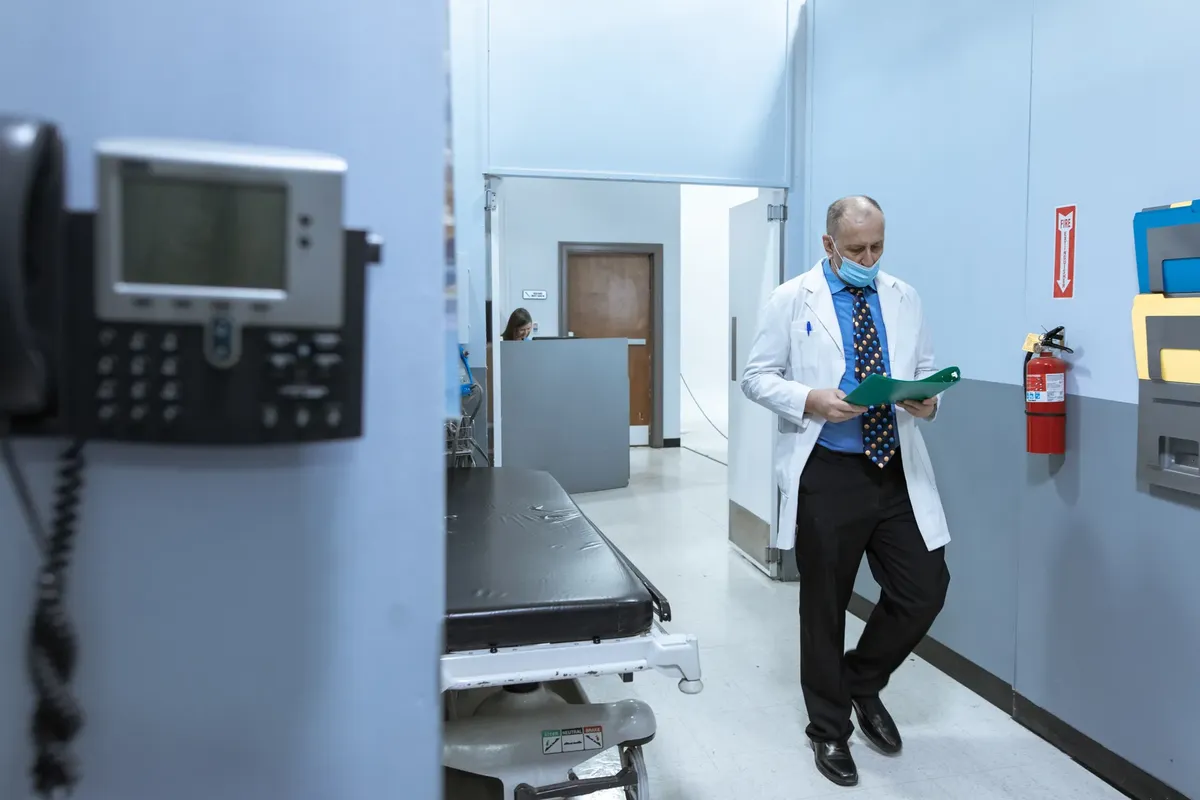
A patient walks into a sprawling metropolitan hospital, greeted by a sea of digital signage and a busy reception desk. The scale of the facility suggests a high level of specialized technology and a wide range of departments.
Large medical centers frequently house advanced diagnostic tools and specialized departments that smaller facilities may lack. These institutions often utilize multidiswork teams where multiple specialists collaborate on complex cases.
While the sheer size can feel overwhelming, the depth of expertise available in one location is a primary driver for patients with chronic or rare conditions.
Choosing medical expert options often involves weighing these comprehensive resources against the ease of access. For patients requiring intensive monitoring or surgical intervention, the infrastructure of a large hospital provides a safety net of various departments.
However, the complexity of navigating such a large system can sometimes delay the speed of initial consultations.
What are the small clinic advantages and risks?
A person enters a quiet, local clinic, where the receptionist recognizes them by name and asks how their family is doing. The atmosphere is familiar, and the pace is much slower than the bustling hospital.
Small clinics often provide a more intimate setting where continuity of care is a central feature. Patients frequently see the same practitioner during every visit, which builds a level of trust and familiarity that is harder to achieve in large systems.
This consistency can lead to a better understanding of a patient's long-term health history.
Small clinic advantages and risks involve the trade-off between personal touch and resource depth. While the relationship is strong, a smaller facility might not have immediate access to specialized imaging or overnight intensive care.

If a patient’s condition escalates rapidly, they may require a transfer to a larger facility to receive higher-level intervention.
How does hospital size impact patient experience?
A visitor sits in a crowded hospital waiting room, watching staff move quickly between various departments and specialized units. The environment is highly structured, with clear protocols for every medical event.
The hospital size impact is felt most through the organizational structure and the division of labor. In large hospitals, roles are highly specialized, meaning you often interact with different professionals for different tasks.
This can lead to highly efficient, expert-driven care, but it can also feel impersonal.
In contrast, smaller facilities often have broader roles, where a single practitioner might handle various aspects of patient care. This can make the experience feel more cohesive.
The administrative complexity of a large hospital can sometimes lead to communication gaps between different departments, whereas a small clinic typically has more streamlined communication.
Comparing hospital treatment options for different needs
A medical professional reviews a series of digital charts on a high-resolution monitor, preparing for a complex surgical consultation. The room is filled with specialized equipment designed for a specific type of intervention.
The following table compares the general characteristics of these two types of medical environments:
| Feature | Large Hospital | Small Clinic |
|---|---|---|
| Resource Depth | High specialization and advanced technology | Focused on primary or specific care |
| Patient Interaction | Often involves multiple rotating specialists | Typically involves consistent, familiar providers |

Best medical care choice decisions often hinge on the specific medical necessity of the moment. For an acute emergency or a complex surgical procedure, the resources of a large hospital are often essential.
For routine check-ups, preventative care, or managing stable chronic conditions, a small clinic may be the more efficient and personal option.
What are the pros and cons of big hospitals?
A nurse coordinates with a team of specialists in a bright, high-tech intensive care unit to manage a critical patient. The coordination is precise, and every piece of equipment is dedicated to life-saving measures.
The pros of big hospitals include the ability to provide comprehensive, around-the-clock care and access to cutting-edge research and clinical trials. These facilities are equipped to handle the most critical emergencies and can provide specialized sub-specialties that are rarely found elsewhere.
The cons often involve the administrative burden and the potential for a fragmented patient experience. Navigating insurance, appointments, and different departments can be taxing.
Additionally, the high volume of patients can sometimes make it difficult to secure timely appointments or maintain a consistent relationship with a single physician.
How to decide on the best medical care choice?
A family sits around a kitchen table, discussing their healthcare options and reviewing different insurance plans. They are weighing the cost of specialized care against the convenience of a local clinic.
To determine the right path, follow these steps: 1. Assess the complexity of the medical need to see if specialized equipment or sub-specialists are required. 2. Evaluate the importance of continuity of care versus the need for immediate, high-level intervention. 3.

Consider the logistical factors, such as travel time, cost, and the ability to navigate the facility.
After selecting an option, perform a final check of your decision. Ensure that the chosen facility can meet the immediate needs of the condition and that you have a clear plan for follow-up care or potential transfers if the situation changes.
I remember sitting in a large hospital waiting room once, feeling lost in the sheer scale of the building, which made me realize how much I valued the familiarity of my local clinic.
The effectiveness of these choices is often limited by the specific medical condition and the available resources at the chosen facility.
- How does big vs small hospital care affect treatment?
- What are the small clinic advantages and risks?
- How does hospital size impact patient experience?
Related
FAQ
Which setting is better for emergencies?
Is a small clinic better for long-term health?
Related posts

Doctor selection checklist: Why best guide for health needs

Large vs small hospital choice: Guide to best care tips

Medical expert Choosing a medical expert 90% visits guide





Comments 0