Contractor Selection: 4 Essential Steps for Success
Don't let a "Pinterest-perfect" dream turn into a financial nightmare of endless repairs and broken promises.
Choosing a contractor is less about finding the prettiest portfolio and more about verifying technical competence and contractual transparency. To avoid common pitfalls, you must look past aesthetics to scrutinize material specifications, detailed line-item estimates, and legally binding warranty protections.
* Verify Realism: Demand photos of "guts" (plumbing/electrical) rather than just professional wide shots. * Scrutinize Estimates: Reject lump-sum quotes; insist on specific brands, model numbers, and quantities. * Confirm Credentials: Ensure they are licensed, bonded, and insured to protect you from liability. * Evaluate Management: Check if a dedicated project manager stays on-site rather than just a salesperson.

What Does a Professional Remodeling Contractor Actually Do?
A reputable contractor functions as your primary Project Manager. They handle the entire lifecycle of the build, from initial structural design and material sourcing to managing specialized subcontractors like electricians and plumbers.
Professional firms analyze how you live to reconfigure your space effectively. This includes critical safety checks on electrical loads, plumbing integrity, and load-bearing wall modifications.
Neglecting these technical foundations might result in a beautiful kitchen today, but it could lead to catastrophic leaks or structural shifts next year.
The industry is shifting toward specialized niches. According to the National Association of Home Builders' 2025 Remodeling Impact Report, homeowners are increasingly prioritizing smart-home integration and sustainable material sourcing.
Depending on whether you need a cosmetic refresh or a full gut renovation, you should seek out firms with specific experience in that tier of complexity.
4 Critical Standards for Selecting a Contractor
The remodeling market is notorious for information asymmetry. To level the playing field and prevent being overcharged, apply these four rigorous standards.
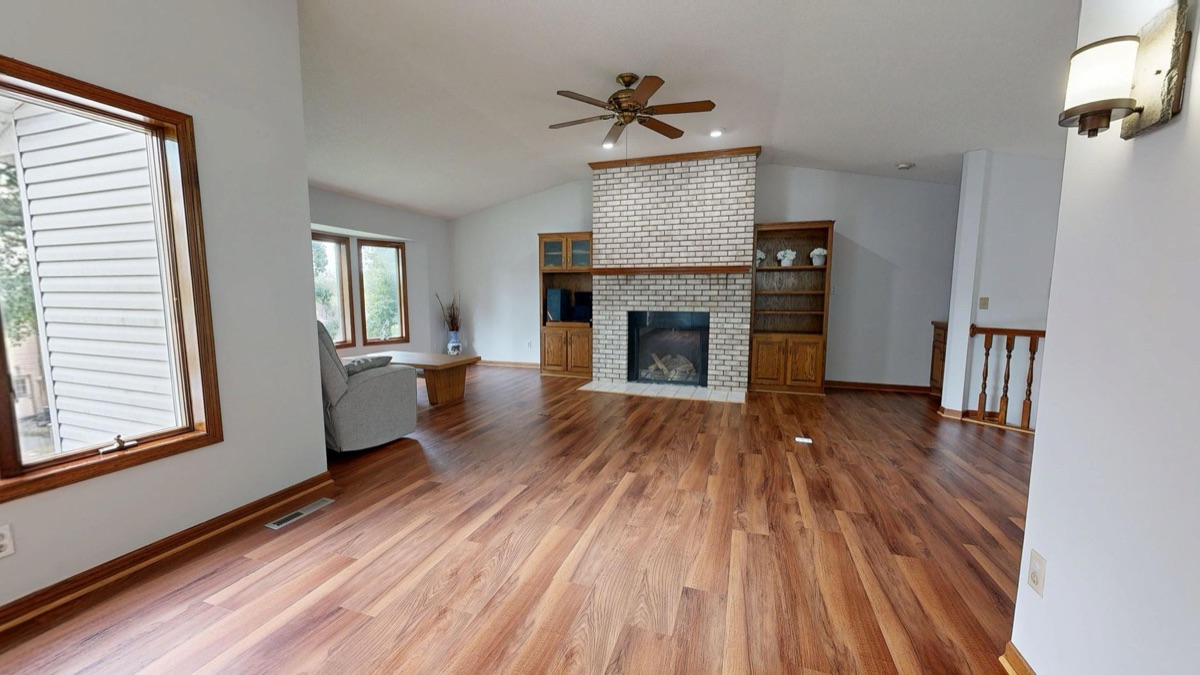
1. Testing Portfolio Authenticity Instagram is full of staged photos that don't reflect actual craftsmanship. To see the truth, ask for "in-progress" documentation.
I remember visiting a job site last fall where I saw the difference firsthand; while the finished living room looked flawless, seeing the organized wiring and perfectly leveled subflooring underneath told me the contractor was a pro.
If they can't show you the "bones" of their previous projects, walk away. Always ask for specific material lists—a high-quality firm won't just say "luxury tile," they will specify brands like Porcelanosa.
2. Decoding the Detailed Estimate The biggest mistake homeowners make is comparing total project costs. If Contractor A quotes $45,000 and Contractor B quotes $65,000, Contractor A might be leaving out essential items to win the bid.
According to the Federal Trade Commission's 2025 Consumer Protection Update, "change orders" caused by vague initial contracts are a leading cause of renovation disputes.
| Feature | Professional Estimate (Recommended) | Red Flag Estimate (Avoid) |
|---|---|---|
| Breakdown | Detailed by phase (Demo, Electrical) | Lump sum (e.g., "Kitchen - $50k") |
| Materials | Specific brands and model numbers | Vague terms (e.g., "Granite") |
| Quantities | Explicit measurements (sq. ft.) | No quantities provided |
| Labor/Fees | Itemized labor rates and permit fees | Hidden or "miscellaneous" costs |
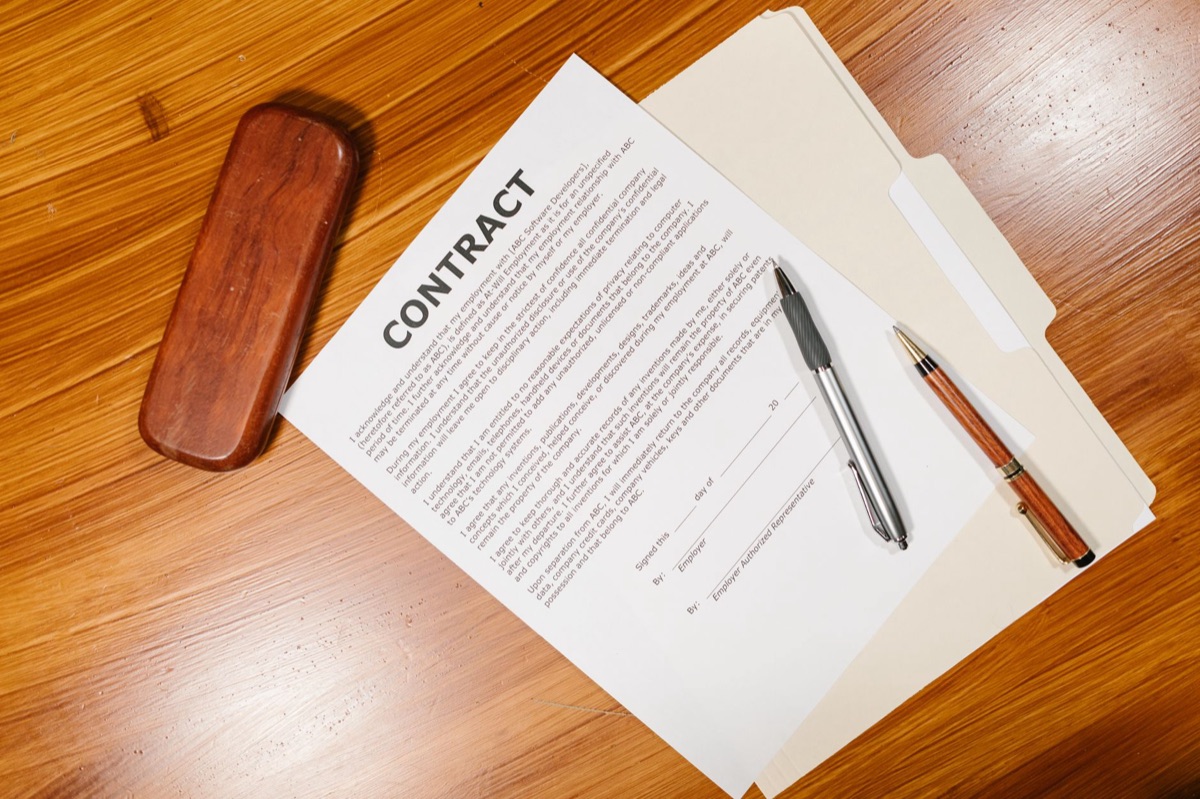
3. Verifying Legal Protections and Insurance A beautiful renovation is worthless if the contractor disappears when a pipe bursts six months later. In the U.S., consumer disputes often stem from unfulfilled warranty claims.
* Licensing & Insurance: Verify their state license and ensure they carry General Liability and Workers' Compensation insurance. * Performance Bonds/Warranties: Request a written warranty for workmanship (typically 1–2 years).
For large-scale projects, ask about bonding options that protect your investment if the company fails to complete the work.
4. Communication and On-Site Management The quality of the finished product is often reflected in the cleanliness of the job site. A chaotic site with scattered debris is a breeding ground for mistakes.
Confirm whether a dedicated site supervisor will be present daily. You want a firm that provides a weekly schedule and proactive updates.
If they only communicate via vague texts once a week, you will likely face delays and budget overruns.
Common Myths in the Remodeling Industry
Many homeowners fall into the trap of thinking "cheapest is best." However, low-cost bids often result from cutting corners—using unlicensed labor or sub-standard materials.
This almost always leads to higher long-term costs due to necessary repairs. Conversely, while large national brands offer convenience, they may carry significant markups.
According to the Consumer Reports 2026 Home Improvement Survey, homeowners using local boutique specialists reported a 15% higher satisfaction rate regarding custom detail compared to big-box retail services.
You must decide if you value the "peace of mind" of a big name or the "custom precision" of a specialist.

Your Pre-Consultation Checklist
Don't walk into a meeting unprepared, or the contractor will dictate the terms. Follow these steps:
- Set a Hard Budget: Include construction costs plus a 10% to 15% contingency fund for unexpected issues like mold.
- Gather Visual References: Collect 5–10 photos of styles you love. Avoid vague words like "modern"; show them exactly what you mean.
- Define Priorities: Decide if the kitchen is more important than the master bath. If costs escalate, you'll need to know where to cut.
- Gather Home Specs: Know your square footage and any known plumbing quirks before the meeting to ensure accuracy.




Comments 0