Interior Designer Roles: 4 Key Tasks for Your Home Project
Designing a home isn't just about picking out pretty pillows; it’s about architecting the very way you live your daily life.
An interior designer is a specialized professional who analyzes your lifestyle to bridge the gap between aesthetic beauty and functional utility. They manage the entire lifecycle of a project, from initial technical drafting to on-site supervision.
* Concept Development: Building a cohesive design theme tailored to your habits. * Technical Drafting: Creating precise floor plans, electrical layouts, and lighting schematics. * Material Curation: Selecting finishes that balance budget with durability. * Project Management: Overseeing contractors to ensure the vision is executed without errors.

What exactly does an interior designer do?
Many homeowners mistake designers for mere "decorators" who simply suggest color palettes. In reality, it is a highly technical field that merges engineering principles with artistic intuition.
The first pillar is Space Planning. This goes far beyond moving furniture; it’s about optimizing "traffic flow"—how you move from the kitchen to the living area—to ensure your home feels intuitive rather than cramped.
Second is Technical Design. Professionals use CAD or 3D modeling software to map out essential infrastructure like electrical outlets and plumbing.
According to a 2025 housing trend report by the National Association of Realtors (NAR), detailed digital renderings significantly reduce "change orders" and unexpected costs during construction.
Third is Specification & Curation. A designer manages hundreds of variables, from the slip resistance of bathroom tiles to the UV rating of window treatments. They ensure that what looks good in a showroom actually survives your lifestyle.
Finally, there is Site Supervision. The designer acts as your advocate on-site, verifying that subcontractors are following the blueprints and using the exact materials promised. This oversight is the primary defense against costly mistakes.
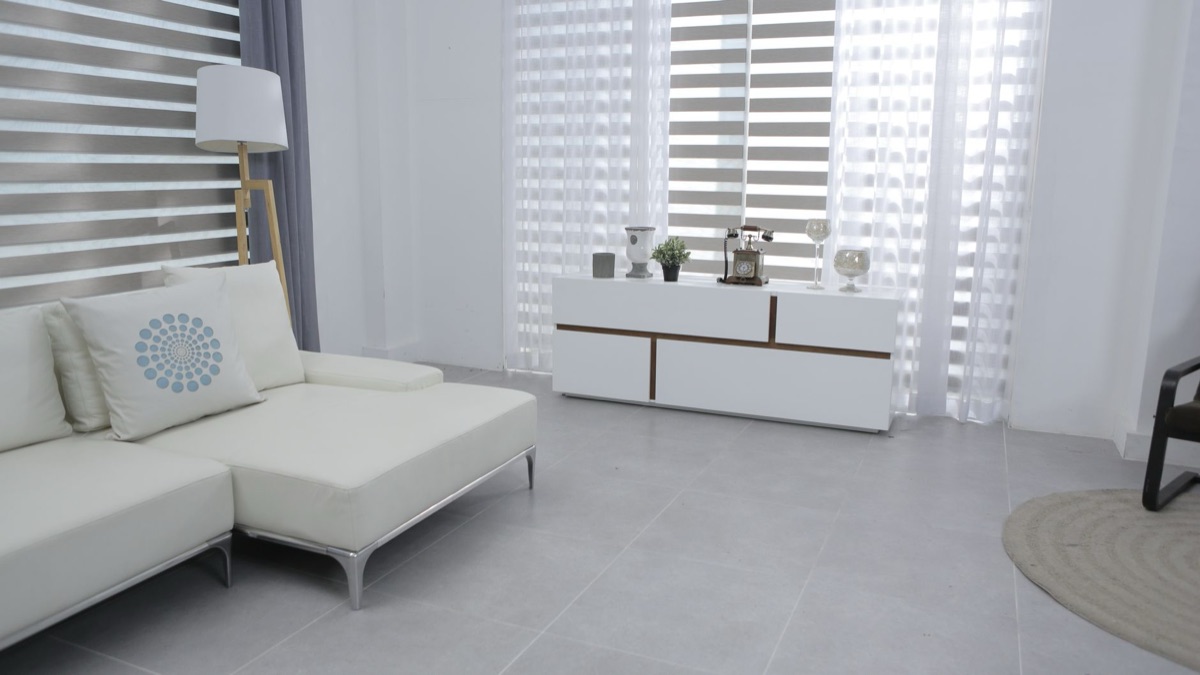
Which design style fits your lifestyle?
Design styles have moved away from rigid categories toward "hybrid" aesthetics. While you might start with a general idea, most modern homes today are a blend of several influences.
| Style Category | Key Characteristics | Best For... |
|---|---|---|
| Modern | Clean lines, neutral tones, minimalism | Urban dwellers seeking a clutter-free life |
| Natural/Organic | Wood, stone, earthy textures | Families prioritizing relaxation and warmth |
| Industrial | Exposed brick, metal accents, raw finishes | Creative professionals with an edgy aesthetic |
| Classic/Traditional | Symmetry, ornate molding, rich fabrics | Those desiring a sense of timeless luxury |
Currently, "Japandi"—a fusion of Japanese minimalism and Scandinavian functionality—is seeing massive growth.
According to the 2026 Design Industry Outlook, hybrid styles now account for over 40% of all residential design projects as homeowners move away from "cookie-cutter" looks.
Should you hire a firm or a freelancer?
Choosing between a large design firm and an independent freelancer depends on your project's scale and your comfort level with management.
Last month, I interviewed three different local firms for a kitchen remodel consultation. I noticed a pattern: the most reliable professionals didn't just show me glossy portfolio photos; they showed me their "post-project maintenance logs."
One firm even provided data from their 2025 projects showing how their specific material choices held up against wear and tear over twelve months.
When vetting a professional, follow these steps:
- Audit the Portfolio: Ensure they have successfully completed projects in your specific style.
- Demand Granular Estimates: Reject "lump sum" quotes. Require a detailed breakdown of brands and quantities.
- Analyze the Contract: Check clearly defined clauses regarding "scope creep" and warranty periods.
However, there is no perfect choice. Large firms offer robust systems but come with higher overhead costs.
Freelancers are often more budget-friendly, but they may lack administrative backup if a project hits a snag.
According to 2025 consumer protection data regarding home improvement disputes, over 30% of conflicts arise from vague contracts or unapproved material substitutions.
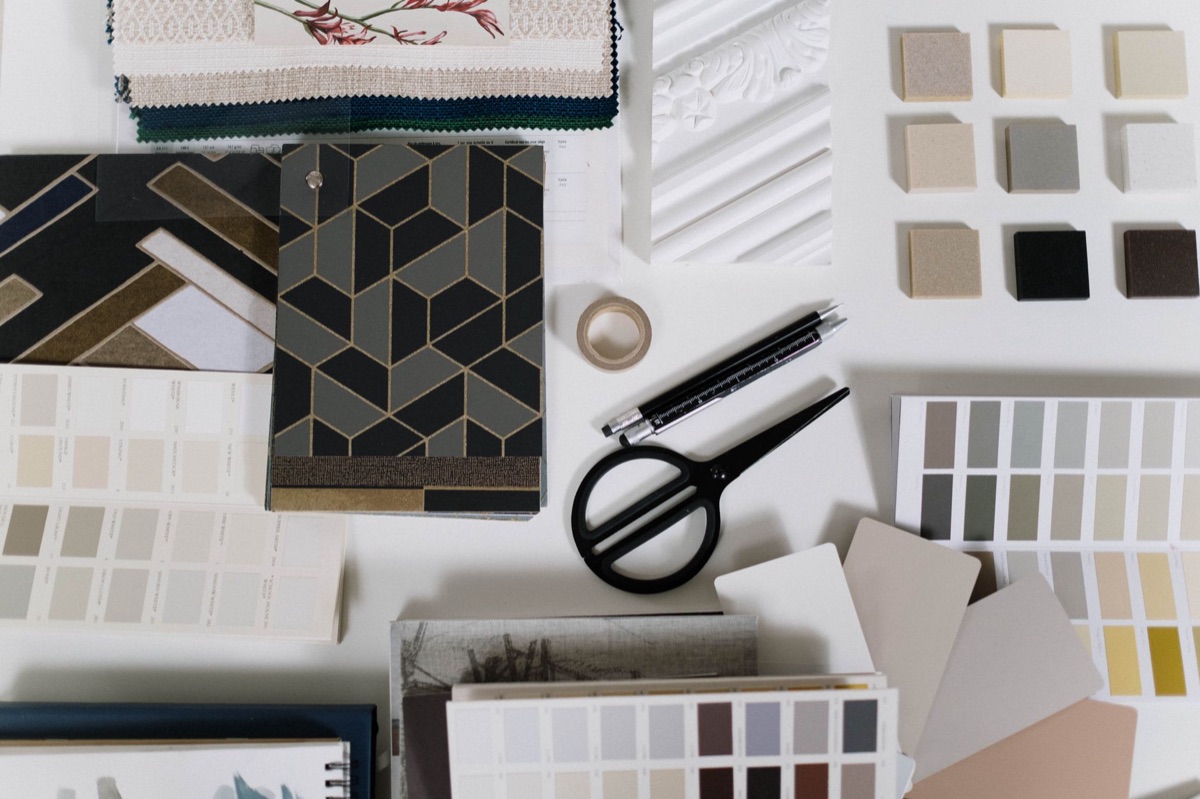
How to prepare for your first consultation
To get the most out of your designer's time and money, you need to arrive prepared. Walking in and saying "just make it look nice" is a recipe for expensive misunderstandings.
[The Pre-Consultation Checklist]
- Gather Spatial Data: Obtain your home's original blueprints or take rough measurements.
- Build a Visual Library: Use Pinterest to collect at least 10 images. Note *why* you like them.
- Define Your Hard Budget: Determine your absolute ceiling so the designer knows where the "stop" sign is.
- List Lifestyle Realities: Mention everything—do you have large dogs? Do you work from home?
FAQ
인테리어 디자이너의 주요 역할은 무엇인가요?
인테리어 디자이너가 하는 일은 단순한 인테리어 장식과 어떻게 다른가요?
전문적인 인테리어 디자인 과정에서 중요한 단계들은 무엇인가요?
Related posts

Evidence-Based Care: Your Guide to Quality Medical Treatment

70% Accuracy: How Data Drives Modern Patient Outcomes Now

8 Steps to Choosing Your Next Medical Specialist Provider




Comments 0